Europe Visa Pathways

Discover your route to living and working in Europe with our comprehensive guide to European immigration options.

Get Personalized Advice

Popular European Destinations

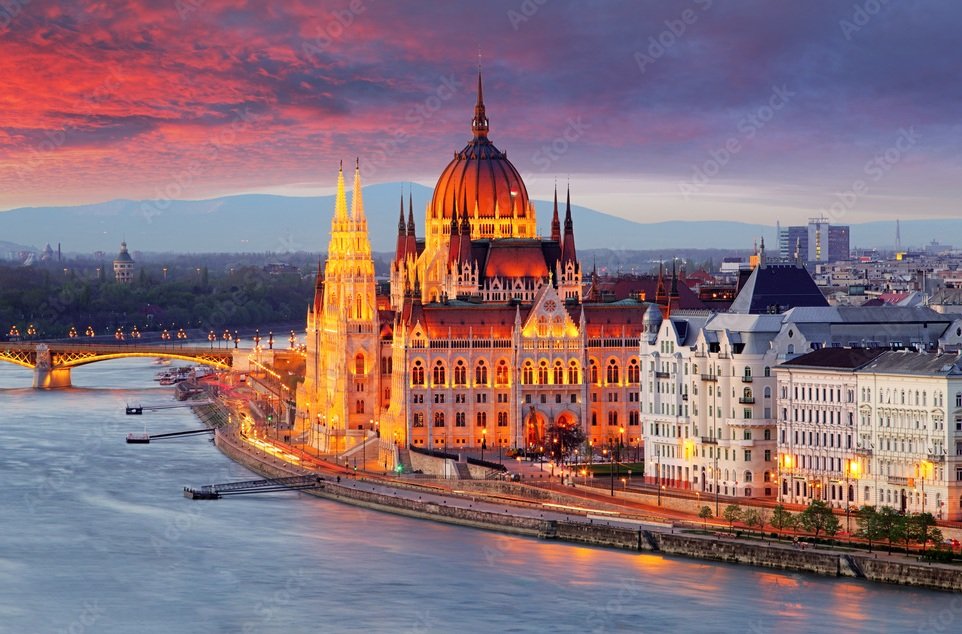
Hungary

Hungary

Germany

Germany

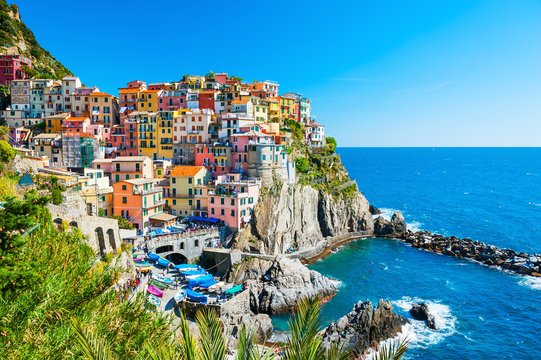
Italy

Italy

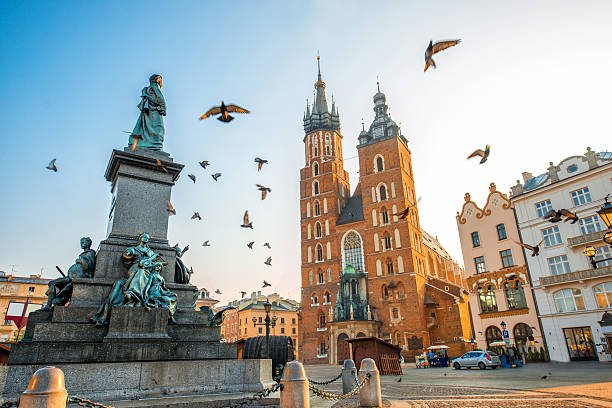
Poland

Poland

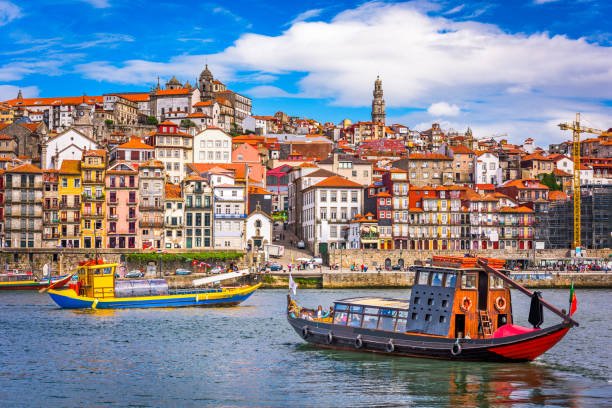
Portugal

Portugal

Other Countries

Other Countries

Explore Visa Options

Work Visas
EU Blue Card
Family Reunification
Investment & Business
Schengen Visas

European Work Visas

Work visas in Europe vary by country, but most EU member states offer various types of work permits for skilled professionals, seasonal workers, and specialized talent. Each country has its own specific requirements and application procedures, but there are some common elements across the EU.

General Eligibility Criteria

  • Valid job offer from an employer in the EU country
  • Qualifications and skills relevant to the job offer
  • Proof that the position could not be filled by a local worker (labor market test in some countries)
  • Sufficient financial means to support yourself
  • Health insurance coverage
  • Clean criminal record
  • Valid passport

Popular Work Visa Programs by Country

  • Hungary: Work Permit, EU Blue Card, Seasonal Worker Permit
  • Germany: Employment Visa, Job Seeker Visa, EU Blue Card
  • Italy: Work Visa, Self-Employment Visa, EU Blue Card
  • Poland: Work Permit, EU Blue Card, Seasonal Work Permit
  • Portugal: Work Visa, Tech Visa, EU Blue Card
  • Other EU Countries: Various work permits and EU Blue Card programs available across all EU member states

General Application Process

Secure a Job Offer

Find an employer in the EU country who is willing to hire you and sponsor your work visa.

Employer Application

In many EU countries, the employer must first apply for work authorization or prove that the position could not be filled by a local worker.

Visa Application

Submit your visa application at the embassy or consulate of the EU country in your home country, along with all required documents.

Biometrics and Interview

Provide your fingerprints and photo, and attend an interview if required.

Visa Decision

Wait for a decision on your visa application.

Residence Permit

Upon arrival in the EU country, apply for a residence permit if required.

Processing Timeline

Processing Time:
Varies by country (2-12 weeks)
Validity:
Usually 1-2 years initially, renewable
Path to Residence:
Most countries offer permanent residence after 5 years of legal residence

Common Required Documents

  • Valid passport
  • Completed visa application form
  • Employment contract or job offer letter
  • Proof of qualifications (diplomas, certificates)
  • Work authorization or approval from labor authorities
  • Proof of accommodation in the destination country
  • Health insurance coverage
  • Police clearance certificate
  • Passport-sized photographs
  • Visa fee payment receipt

Ready to Work in Europe?

Our expert consultants can assess your eligibility for European work visas and guide you through the entire process.

Book a Consultation

EU Blue Card

The EU Blue Card is a work and residence permit for highly qualified non-EU/EEA nationals who want to work in an EU member state. It offers a streamlined immigration process, favorable family reunification terms, and a path to permanent residence. The EU Blue Card is implemented differently in each participating member state, but the core concept remains the same.

Eligibility Criteria

  • Higher education qualification (at least 3 years of study) or equivalent professional experience
  • Employment contract or binding job offer for at least one year
  • Salary that meets the minimum threshold (typically 1.5 times the average gross annual salary in the host country)
  • For regulated professions: proof that you meet the legal requirements to practice
  • Valid travel document (passport)
  • Health insurance

Participating Countries

Most EU member states participate in the EU Blue Card scheme, with the notable exceptions of Denmark and Ireland. The implementation and specific requirements vary by country.

Application Process

Secure a Job Offer

Find an employer in an EU member state who is willing to hire you with a salary that meets the Blue Card threshold.

Gather Required Documents

Collect all necessary documents, including your educational qualifications, employment contract, and other supporting documents.

Submit Application

Apply for the EU Blue Card at the embassy or consulate of the EU country in your home country, or directly in the EU country if you already have legal residence there.

Biometrics and Interview

Provide your fingerprints and photo, and attend an interview if required.

Receive Decision

Wait for a decision on your Blue Card application.

Enter and Register

Enter the EU country and register with local authorities if required.

Processing Timeline and Benefits

Processing Time:
Typically 1-3 months (faster than standard work permits in many countries)
Initial Validity:
1-4 years (depending on the country and employment contract)
Family Reunification:
Immediate family reunification with work rights for spouse
EU Mobility:
After 18 months, possibility to move to another EU member state for employment
Path to Residence:
Eligible for EU long-term residence after 5 years

Required Documents

  • Valid passport
  • Completed EU Blue Card application form
  • Employment contract or binding job offer (minimum 1 year)
  • Proof of higher education qualification or equivalent professional experience
  • Proof that salary meets the minimum threshold
  • Health insurance coverage
  • For regulated professions: proof of meeting legal requirements
  • Police clearance certificate
  • Passport-sized photographs

Ready to Apply for the EU Blue Card?

Our immigration experts can assess your eligibility for the EU Blue Card and guide you through the application process.

Book a Consultation

Family Reunification

Family reunification visas allow non-EU family members to join their relatives who are legally residing in an EU member state. The specific requirements and procedures vary by country, but EU law establishes certain common standards for family reunification rights.

Who Can Sponsor Family Members

  • EU citizens residing in their home country or another EU member state
  • Non-EU nationals with legal residence in an EU member state (typically with at least one year of residence and reasonable prospects of permanent residence)
  • Refugees and persons with subsidiary protection

Eligible Family Members

  • Core family members:
  • - Spouse or registered partner
  • - Minor children (under 18) of the sponsor and/or spouse
  • Other family members (depending on national legislation):
  • - Dependent parents or grandparents
  • - Adult dependent children
  • - Unmarried partner in a durable relationship
  • - Other dependent relatives

Application Process

Determine Eligibility

Verify that both the sponsor and the family member meet the requirements for family reunification.

Gather Required Documents

Collect all necessary documents, including proof of relationship, sponsor's residence status, financial means, and accommodation.

Submit Application

The family member applies for a family reunification visa at the embassy or consulate of the EU country in their home country.

Biometrics and Interview

Provide fingerprints and photo, and attend an interview if required.

Receive Decision

Wait for a decision on the family reunification application.

Enter and Register

Enter the EU country and apply for a residence permit if required.

Processing Timeline

Processing Time:
Varies by country (3-12 months)
Initial Validity:
Usually 1 year, renewable
Work Rights:
Varies by country (some allow immediate work rights, others after a waiting period)
Path to Residence:
Eligible for independent residence status after 3-5 years in most countries

Common Required Documents

  • Valid passport
  • Completed visa application form
  • Proof of relationship (marriage certificate, birth certificate, etc.)
  • Proof of sponsor's legal residence in the EU country
  • Proof of sufficient financial means to support the family
  • Proof of suitable accommodation
  • Health insurance coverage
  • Police clearance certificate
  • Passport-sized photographs

Ready to Reunite with Your Family in Europe?

Our family reunification experts can guide you through the process of bringing your loved ones to Europe.

Book a Consultation

Investment & Business Visas

Many European countries offer residence permits or "golden visas" to non-EU nationals who make significant investments in the country's economy, real estate, or businesses. These programs provide a pathway to residence and, eventually, citizenship for investors and their families.

Popular Investment Visa Programs

  • Portugal Golden Visa: Investment options from €280,000 (cultural projects) to €500,000 (real estate)
  • Spain Golden Visa: €500,000 investment in real estate or €1 million in Spanish company shares or bank deposits
  • Greece Golden Visa: €250,000 investment in real estate
  • Malta Permanent Residence Programme: €150,000 government contribution + property purchase/rental
  • Ireland Immigrant Investor Programme: Various investment options from €400,000 (endowment) to €2 million (investment fund)
  • Cyprus Permanent Residence: €300,000 investment in real estate
  • Italy Investor Visa: Various investment options from €250,000 (innovative startups) to €2 million (government bonds)

General Eligibility Criteria

  • Minimum investment amount (varies by country and investment type)
  • Clean criminal record
  • Proof of the legal source of investment funds
  • Health insurance coverage
  • Minimum stay requirements (varies by country)
  • Valid passport

General Application Process

Select Investment Program

Research and choose the investment program that best suits your goals and financial capacity.

Make the Investment

Complete the required investment (real estate purchase, business investment, etc.).

Gather Required Documents

Collect all necessary documents, including proof of investment, source of funds, and other supporting documents.

Submit Application

Apply for the investment visa or residence permit, either at the embassy/consulate or directly in the country (depending on the program).

Biometrics and Interview

Provide fingerprints and photo, and attend an interview if required.

Receive Decision

Wait for a decision on your application.

Residence Permit

Receive your residence permit or card.

Processing Timeline and Benefits

Processing Time:
Varies by country (2-8 months)
Initial Validity:
Usually 1-2 years, renewable
Family Inclusion:
Spouse and dependent children typically included
Schengen Access:
Free travel within the Schengen Area
Path to Citizenship:
Varies by country (5-10 years of residence typically required)

Common Required Documents

  • Valid passport
  • Completed application form
  • Proof of investment (property deed, company registration, bank statements, etc.)
  • Proof of the legal source of funds
  • Business plan (for business investment options)
  • Police clearance certificate
  • Health insurance coverage
  • Proof of accommodation
  • Passport-sized photographs
  • Marriage and birth certificates (for family members)

Ready to Invest in Europe?

Our investment immigration experts can guide you through the process of selecting and applying for the right investment program for your needs.

Book a Consultation

Schengen Visas

The Schengen visa is a short-stay visa that allows its holder to travel to any of the 26 Schengen Area countries for up to 90 days within a 180-day period for tourism, business, visiting family or friends, or other short-term purposes. The Schengen Area includes most EU countries, as well as Iceland, Liechtenstein, Norway, and Switzerland.

Types of Schengen Visas

  • Type A: Airport transit visa
  • Type C: Short-stay visa (most common)
  • - Single-entry: Allows one entry into the Schengen Area
  • - Double-entry: Allows two entries into the Schengen Area
  • - Multiple-entry: Allows unlimited entries within the validity period

Schengen Area Countries

  • Austria, Belgium, Czech Republic, Denmark, Estonia, Finland, France, Germany, Greece, Hungary, Iceland, Italy, Latvia, Liechtenstein, Lithuania, Luxembourg, Malta, Netherlands, Norway, Poland, Portugal, Slovakia, Slovenia, Spain, Sweden, Switzerland

Application Process

Determine the Appropriate Consulate

Apply at the consulate of the main destination country or the country of first entry if visiting multiple Schengen countries.

Complete the Application Form

Fill out the Schengen visa application form with accurate information.

Gather Required Documents

Collect all necessary documents, including proof of purpose, accommodation, financial means, and travel insurance.

Schedule an Appointment

Book an appointment at the appropriate consulate or visa application center.

Submit Application and Biometrics

Attend the appointment to submit your application, pay the fee, and provide biometric data (fingerprints and photo).

Receive Decision

Wait for a decision on your Schengen visa application.

Processing Timeline

Application Time:
Apply up to 6 months before travel (recommended at least 15 days before)
Processing Time:
Typically 10-15 days (can be extended to 30-60 days in special cases)
Validity:
Up to 90 days within a 180-day period

Required Documents

  • Valid passport (valid for at least 3 months beyond the intended stay)
  • Completed and signed Schengen visa application form
  • Passport-sized photographs
  • Travel medical insurance (minimum coverage €30,000)
  • Round-trip flight reservation
  • Proof of accommodation (hotel reservations, invitation letter, etc.)
  • Proof of financial means (bank statements, traveler's checks, etc.)
  • Proof of purpose of visit (business invitation, conference registration, tour itinerary, etc.)
  • Employment status documents (employment letter, business license, student ID, etc.)
  • Visa fee payment receipt

Planning a Trip to Europe?

Our visa experts can help you prepare a strong Schengen visa application to maximize your chances of approval.

Book a Consultation

Why Choose Europe?

Cultural Diversity

Experience a rich tapestry of cultures, languages, and traditions across more than 40 countries, each with its own unique heritage and identity.

World-Class Education

Home to some of the world's oldest and most prestigious universities, offering high-quality education often at lower costs than other regions.

Healthcare Systems

Benefit from advanced healthcare systems with universal coverage in many European countries, ensuring quality medical care for residents.

Travel Opportunities

Enjoy the freedom to travel across multiple countries with ease, thanks to the Schengen Agreement and excellent transportation infrastructure.

Work-Life Balance

European countries are known for prioritizing work-life balance, with generous vacation time, parental leave, and social benefits.

Safety and Stability

Many European countries consistently rank among the safest and most politically stable in the world, with low crime rates and strong rule of law.

Ready to Start Your European Journey?

Contact our expert consultants today for a personalized assessment of your visa options.

Get in Touch